Why MS Needs Its Own Tracking Tools
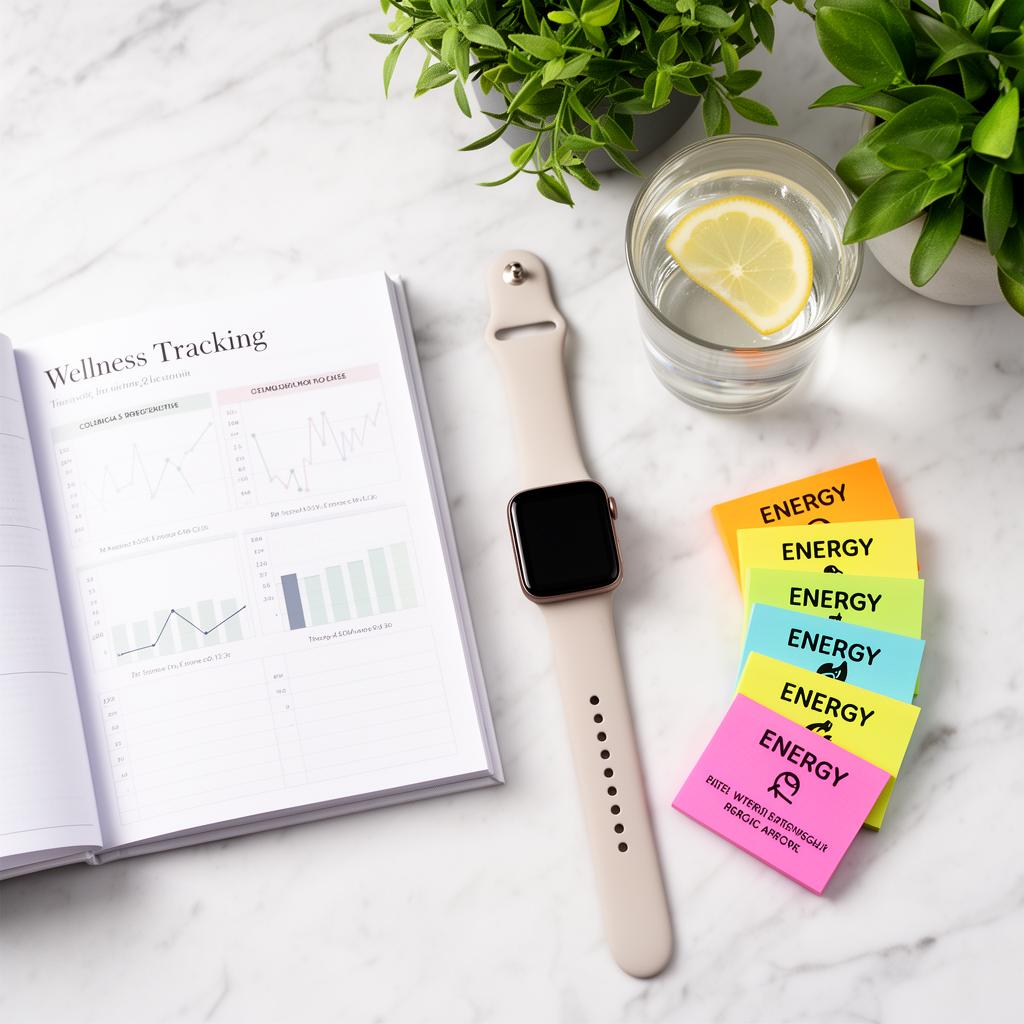
General health apps track steps, heart rate, and calories. That's great for the general population, but it misses what matters most for MS: fatigue patterns, cognitive clarity, symptom fluctuation, and energy prediction.
The ideal MS tracking app should be:
- Fast — Under 60 seconds to complete a daily entry
- MS-specific — Tracking metrics that actually matter for MS management
- Pattern-revealing — Showing you trends you can't see day-to-day
- Actionable — Turning data into recommendations you can use today
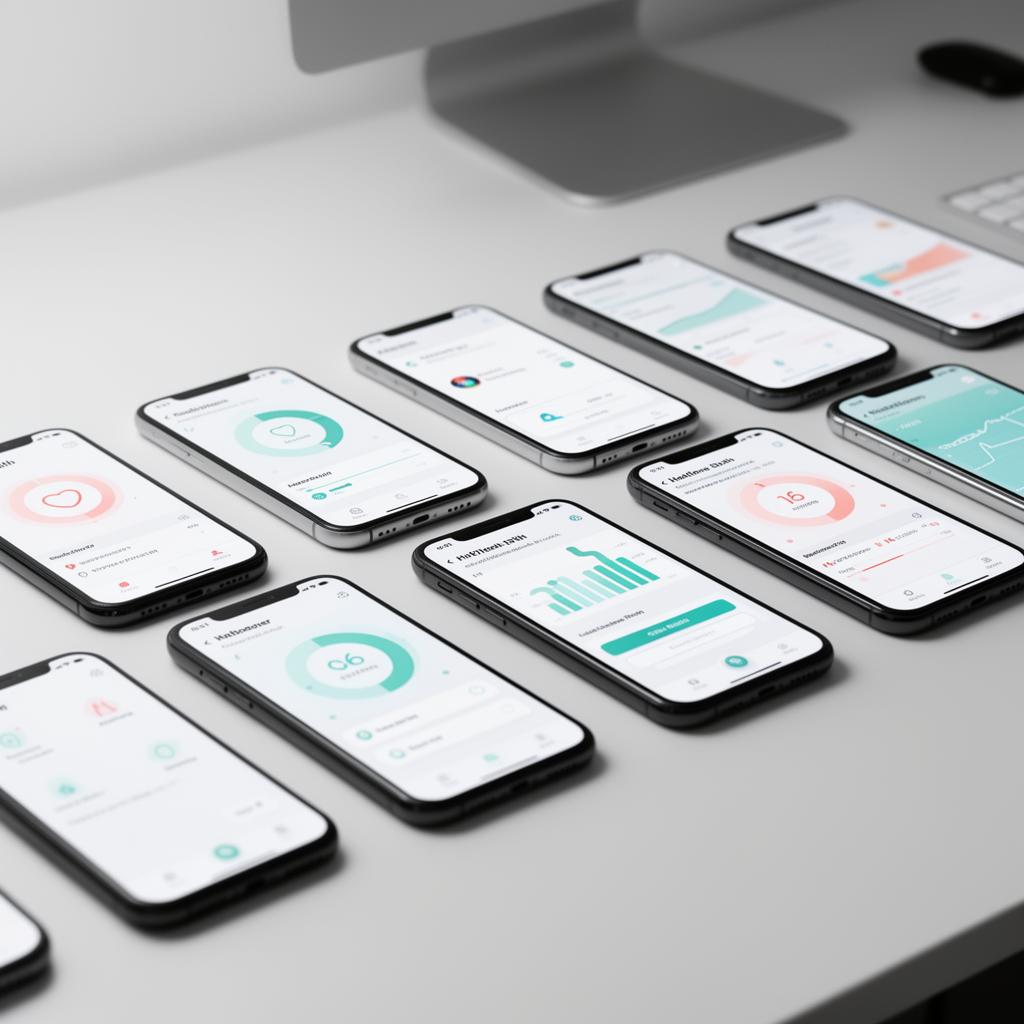
Here's how the current options compare.
The Apps
Myelina Health
Best for: Women with MS who want energy prediction, not just tracking
- Daily check-in time: ~30 seconds
- Key features: Morning energy check-in, AI-powered energy prediction, visual Energy Map, evening reflection, pattern recognition over time
- What sets it apart: Goes beyond tracking to prediction — tells you how your day is likely to unfold based on your personal history
- Pricing: Free tier available; Premium at $19/month
- Platforms: Web (mobile-responsive)
Best feature: The Energy Map. Instead of just logging symptoms, you get a visual prediction of your energy across the day — so you can plan proactively.
Floodlight MS (Roche)
Best for: Clinical-grade objective measurements
- Daily check-in time: 5-10 minutes (includes active tests)
- Key features: Walking speed test, hand dexterity test, cognitive processing test, mood tracking
- What sets it apart: Objective, measurable assessments that can be shared with neurologists
- Pricing: Free
- Platforms: iOS, Android
Best feature: The hand dexterity test provides objective data that complements subjective symptom reports.
MS Healthline
Best for: Community + tracking in one place
- Daily check-in time: 2-5 minutes
- Key features: Symptom logging, medication reminders, community forums, articles
- What sets it apart: Combines tracking with a large MS community
- Pricing: Free
- Platforms: iOS, Android
Best feature: The community aspect — connecting with others who understand your experience.
Bearable
Best for: Detailed correlations across many health factors
- Daily check-in time: 3-10 minutes (highly customizable)
- Key features: Track virtually anything (symptoms, activities, food, weather, medications), correlation reports
- What sets it apart: The correlation engine — it identifies statistical relationships between factors
- Pricing: Free tier; Premium at $6.99/month
- Platforms: iOS, Android
Best feature: Correlation reports showing which factors most strongly predict your symptoms.
Symple
Best for: Simple, no-frills symptom tracking
- Daily check-in time: 1-2 minutes
- Key features: Customizable symptom list, severity ratings, notes, basic charts
- What sets it apart: Simplicity — no bloat, no social features, just clean tracking
- Pricing: $2.99 one-time
- Platforms: iOS
Best feature: The customizable symptom list — you track exactly what matters to you, nothing more.
Choosing the Right App
Ask Yourself:
How much time will I realistically spend tracking?
- Under 1 minute → Myelina Health or Symple
- 2-5 minutes → MS Healthline or Bearable
- 5-10 minutes → Floodlight MS
What do I want from my data?
- Energy prediction and planning → Myelina Health
- Objective clinical measurements → Floodlight MS
- Detailed correlations → Bearable
- Simple trend visualization → Symple
Do I want community features?
- Yes → MS Healthline
- No → Any of the others
What will I actually stick with? This is the most important question. The best tracking app is the one you'll use consistently. A 30-second check-in you do daily for 6 months will reveal more than a 10-minute assessment you abandon after 2 weeks.
The Case for MS-Specific Tools
Generic health apps (Apple Health, Google Fit, Fitbit) are useful for step counting and heart rate, but they miss the nuance of MS:
- They don't track cognitive clarity
- They can't predict energy based on MS-specific patterns
- They don't understand that 5,000 steps for someone with MS might represent a heroic day
- They don't factor in heat sensitivity, spasticity, or the boom-bust cycle
MS deserves tools designed for MS. Not adapted from general fitness, not repurposed from other conditions — built from the ground up for the unique challenges of living with Multiple Sclerosis.
Myelina Health was designed specifically for women with MS who want more than a diary — they want a tool that helps them plan their days around their energy, not their energy around their days.